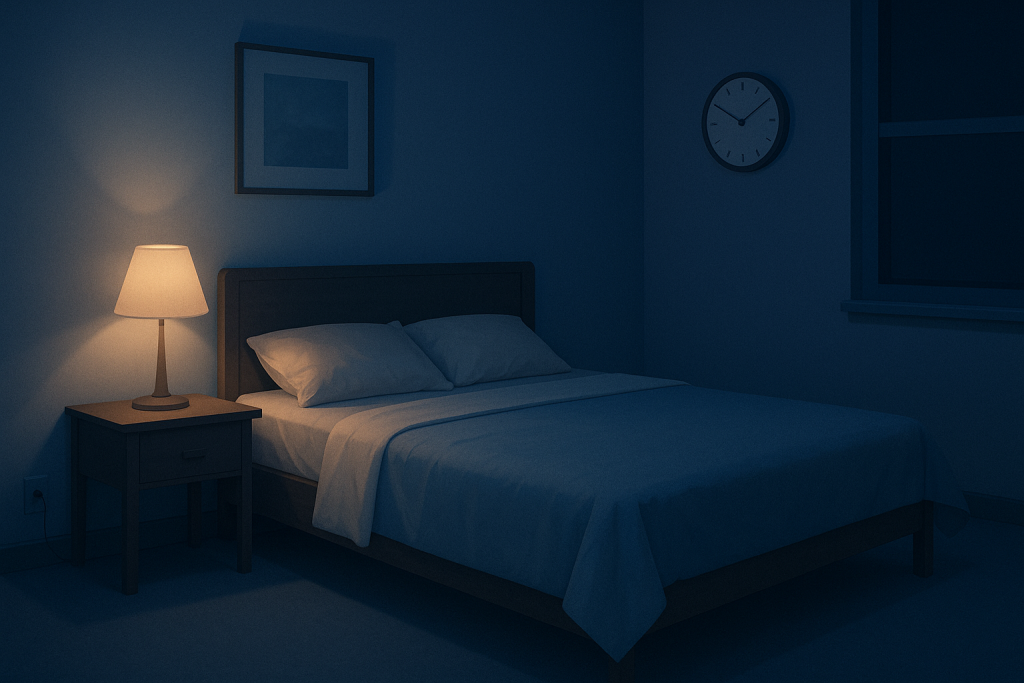
Discover how the optimal sleep duration of about 6–8 hours may relate to healthier aging, and get practical steps to improve your nightly schedule.
New research trends have highlighted how sleep duration may relate to aging, with an optimal sleep duration window showing the most favorable outcomes. A large study suggests that people who sleep within a certain range tend to show better health markers as they age. The takeaway is not a one-size-fits-all prescription, but a general target that many adults may aim for to support healthier aging.
New research trends have highlighted how sleep duration may relate to aging, with an optimal sleep duration window showing the most favorable outcomes. A large study suggests that people who sleep within a certain range tend to show better health markers as they age. The takeaway is not a one-size-fits-all prescription, but a general target that many adults may aim for to support healthier aging.
What the evidence suggests
In broad terms, large-scale analyses often find associations between sleep duration and aging-related health markers. When people report sleeping about 6 to 8 hours per night, some indicators related to aging—such as metabolic health, inflammation, and cognitive function—tend to align more favorably than at shorter or longer durations. It’s important to note that these studies describe associations, not direct cause and effect, and outcomes can vary depending on age, sex, and overall health. Sleep quality and consistent timing also play key roles.
The ideal sleep duration window
The idea of an ideal sleep window centers on roughly 6–8 hours per night for many adults. Within this range, people may experience better balance in energy, mood, and daytime alertness, which can indirectly influence aging-related processes. But individual needs differ, and some people naturally function well with a bit more or less sleep. If you’re often sleepy during the day or wake up unrefreshed, that could signal you need to adjust your routine or seek medical advice.
How to reach 6–8 hours
- Set a consistent bedtime and wake time, even on weekends.
- Wind down for 30–60 minutes before bed with calm activities.
- Keep caffeine and heavy meals away from late afternoon and evening hours.
- Create a sleep-friendly environment: dark, cool, and quiet.
- Limit naps during the day, or keep them short and early if needed.
- Monitor sleep quality, not just duration, and address sleep disruptions promptly.
Limitations and context
Remember that many factors influence sleep, including stress, physical activity, lighting, and medical conditions. Observational data about sleep duration can be affected by how people report hours and by unmeasured lifestyle differences. For anyone with ongoing sleep problems, talk to a clinician who can assess underlying causes and provide personalized guidance.
Putting it into everyday life
For adults aiming to support healthier aging, prioritizing a consistent sleep routine is one piece of a broader approach. Along with regular physical activity, balanced nutrition, and stress management, choosing a regular sleep window may contribute to better daytime functioning and overall well-being. The goal is sustainable habits that fit a person’s life, not a rigid target that causes stress.
Key takeaways
- The 6–8 hour range is a common target linked to favorable aging-related markers in some studies.
- Sleep quality and regularity matter as much as total hours.
- Individual needs vary; use this as a general guide rather than a strict rule.
- Build a consistent routine with practical steps to improve nighttime habits.